UU Action NH Updates
UU Action NH is collecting ideas for new online education/information events starting in the fall of 2026. If you or your church or community have an idea for an event that involves a social justice issue pertinent to NH, please email us at info@uuactionnh.org.
TALKING POINTS: ROADLESS CONSERVATION ARE RULE
From the NH Sierra Club
Priority talking points
What’s at Stake: The proposed rollback elimination of the 2001 Roadless Rule jeopardizes nearly 45 million acres of undeveloped backcountry forestland managed by the U.S. Forest Service, comprising around a third of the territory in our national forest system. These forests have only remained intact because of the Forest Service's nearly 25-year-old commitment not to build roads in these areas for harmful activities like major logging operations or oil-and-gas drilling.
Vital Habitat for Imperiled Species: The lands in question include lower-elevation forests, wetlands, canyons and other undeveloped lands that are critical to our nation's ecological health. Because they are not fragmented by roads, these Roadless Areas provide habitat for many imperiled species, such as migratory songbirds and more.
Vital for America’s Drinking Water: The US National Forests are the headwaters of our great rivers and the largest source of municipal water supply in the nation, serving over 60 million people in 3,400 communities in 33 states. Roads are a major cause of water pollution. Because it protects these headwaters, the 2001 Roadless Rule is vital for maintaining clean drinking water for communities across the country.
Additional talking points
Recreation Spots at Risk: Since 2001, protected roadless areas have offered abundant outdoor recreation opportunities such as hunting, fishing, camping or other activities. Every year, millions of people take advantage of the free (or extremely affordable) access to these public lands. According to maps from Outdoor Alliance’s GIS Lab, roadless areas protect 11,337 climbing routes and boulder problems, more than 1,000 whitewater paddling runs, 43,826 miles of trail, and 20,298 mountain biking trails.
Taxpayers on the Hook: Building more roads in national forests would be a drain on taxpayers. Even with the Roadless Rule in place, the Forest Service already has a 370,000-mile road system – twice as long as the nation’s highway system – crisscrossing national forests. This forest road infrastructure is already so big that the Forest Service can’t afford to properly maintain it, triggering a maintenance backlog that has ballooned to billions in needed repairs. Taxpayers have subsidized this already unwieldy road network and would be stuck footing the bill for any new roads built in backcountry forest areas following this rollback.
Subsistence and Cultural Values at Risk: Increased industrial activity in roadless areas would also jeopardize culturally-important sites and subsistence use areas.
Important for Protecting Migration Corridors and Game Habitat: Roads fragment habitat and degrade migration corridors that game species like elk and mule deer rely on. Protected roadless areas help ensure these migratory game corridors remain intact and protected from roads and the industrial development roads enable.
Millions Support the Roadless Rule: The Roadless Rule is a highly popular policy that is often celebrated as one of America’s most successful conservation measures. Prior to its enactment, more than 600 public hearings were held nationwide, and 1.6 million Americans weighed in to call for protection of these forest lands. More recently, more than 45 members of the House and Senate have signed onto legislation that would codify the Roadless Rule so that in the future, it could not be rolled back without an act of Congress.
Rollback Paves the Way for Logging: The real reason a rollback of the Roadless Rule is being proposed is to re-open these forests to logging and other industrial development. This proposal follows on the heels of other administrative actions that have called for a dramatic increase in logging and oil and gas drilling on federal lands. An increase in these industrial activities would worsen climate change, destroy recreation areas, put the lands at greater risk of wildfire, destroy wildlife habitat, and threaten drinking water sources. Logging most often targets bigger, older trees, which are natural carbon sinks that store carbon dioxide and provide shade for cooler temperatures – yet all of these benefits are lost if trees are removed. Further, logging and logging roads can have devastating impacts to drinking water quality and fish habitat. The cost will fall to communities, who will face threats to their supply of clean water and will need to clean up polluted water before sending it to households and local economies – and will suffer from the damage to commercial and recreational fisheries.
Policy Has Built-In Exceptions: The Roadless Rule is extremely flexible and allows for necessary forest management and the construction of roads as needed to address fires, floods, or other catastrophic events, and other circumstances like the need to connect communities. National forest managers routinely conduct forest stewardship activities within roadless areas such as prescribed burning and wildlife habitat improvement activities.
As Bad as the Public Lands Selloff: Anyone who loves our public lands should be concerned about attempts to reverse the Roadless Rule. First there was an attempt to sell off public lands, proposed by politicians out of touch with the values of everyday Americans. Now, this administration wants to sell out our nation’s public forests by opening remote, protected areas to logging, road building and other development. This idea is just as bad as the sell-off that they tried, but failed, to pull off.
Not a Partisan Issue: It doesn’t matter if you’re a Democrat, or a Republican, or if you have $10 or $1 million in your bank account. You’ve got the right to explore tens of millions of acres of pristine backcountry lands where there are no roads, only open land, clean water and peace of mind. These lands are universally enjoyed and they belong to everyone – not wealthy corporations trying to turn a profit.
Wildfire and Roadless
More roads will result in more fire ignitions. According to the U.S. Forest Service 9 out of 10 wildfires are caused by people. New peer-reviewed research found that fires are four times more likely to start near a road than in roadless forests. That’s because more roads also means more people throwing cigarettes out car windows, leaving campfires unattended, and hot metal/sparks from vehicles igniting dry grasses. Opening intact backcountry forests to new roads is not a wildfire solution. It increases the likelihood of human-caused ignitions and stretches already limited firefighting capacity even further.
If the Administration was serious about addressing the wildfire crisis, why would it dismantle the U.S. Forest Service? The Trump Administration has already reduced the U.S. Forest Service workforce by 15%, and many of these staff played a role in wildfire mitigation and response. To boot, the Administration is withholding hundreds of millions of dollars in hazardous fuels mitigation funding to partners, as detailed in the Washington Post and Politico. Americans’ lives are already at risk with reckless cuts and divestment in the Forest Service’s fire program by the Administration. Let’s not exacerbate the problem by stretching limited firefighting capacity even further by increasing the likelihood of human-caused ignitions.
Hazardous fuels treatments are already allowed. The 2001 Roadless Rule permits hazardous fuels reduction — it only bars new road construction and industrial logging. According to the Forest Service’s own research, 34% of all fuel treatment activities between 2001–2019 occurred in roadless areas.
2026 Annual Meeting
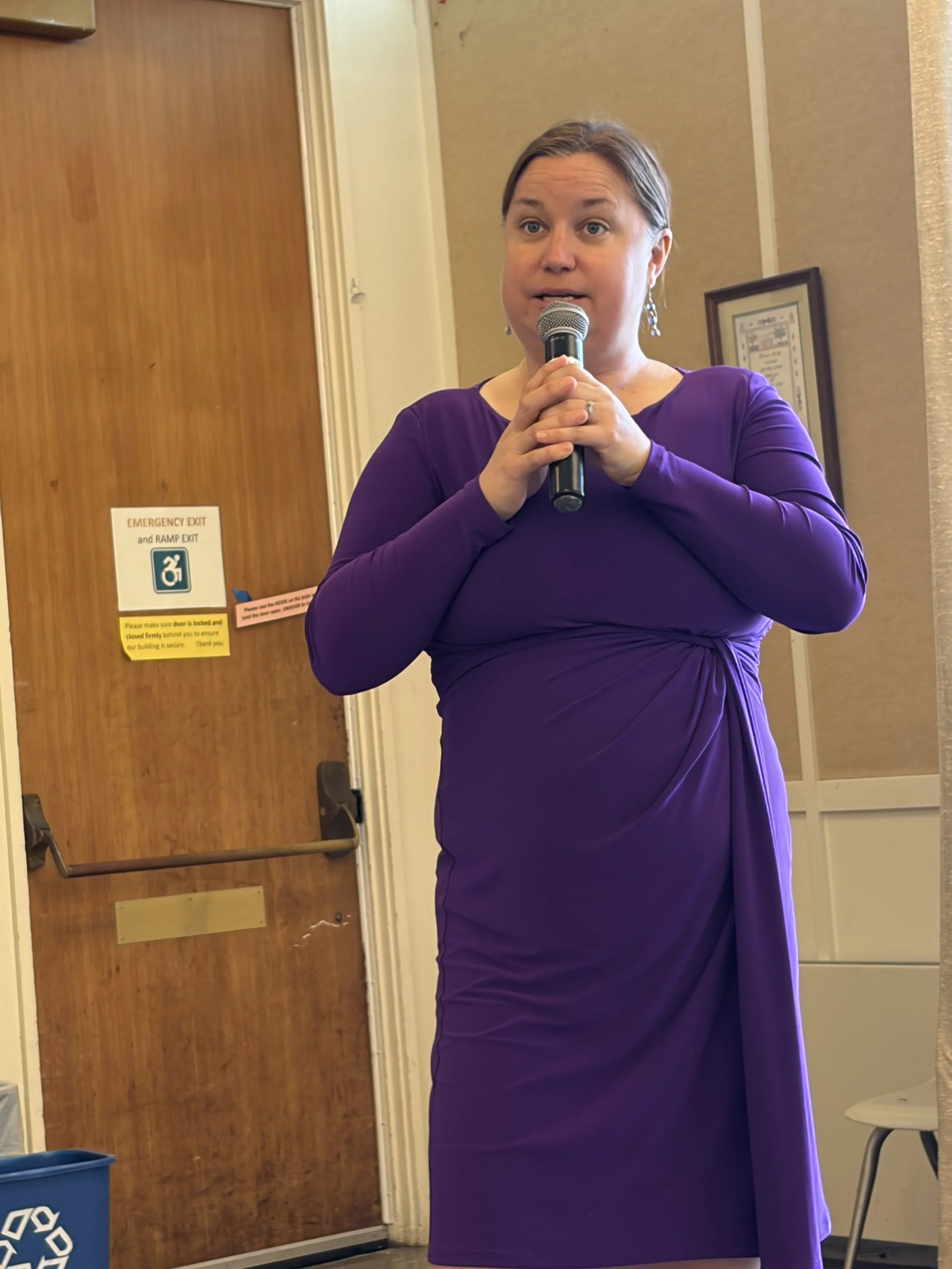
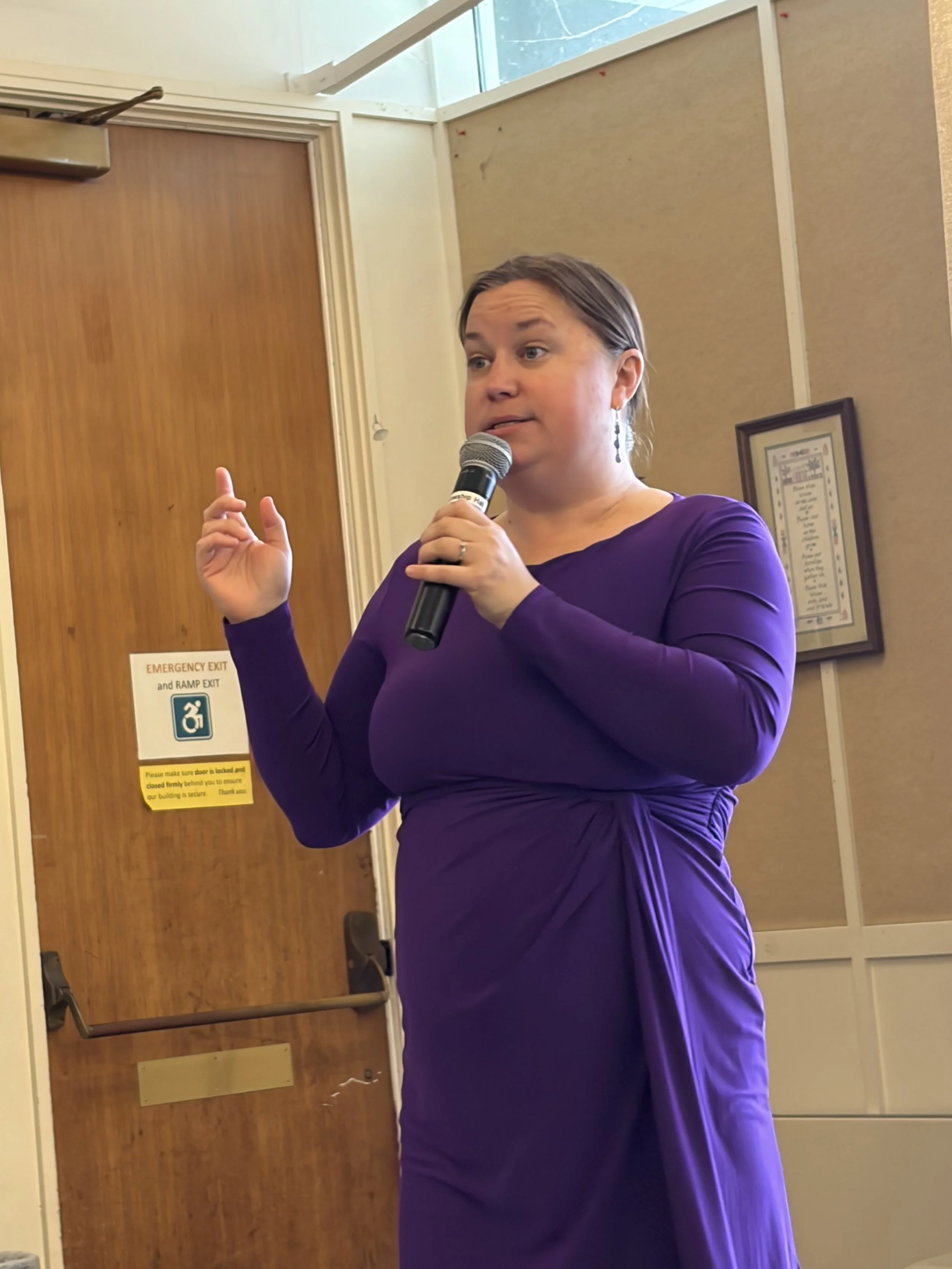

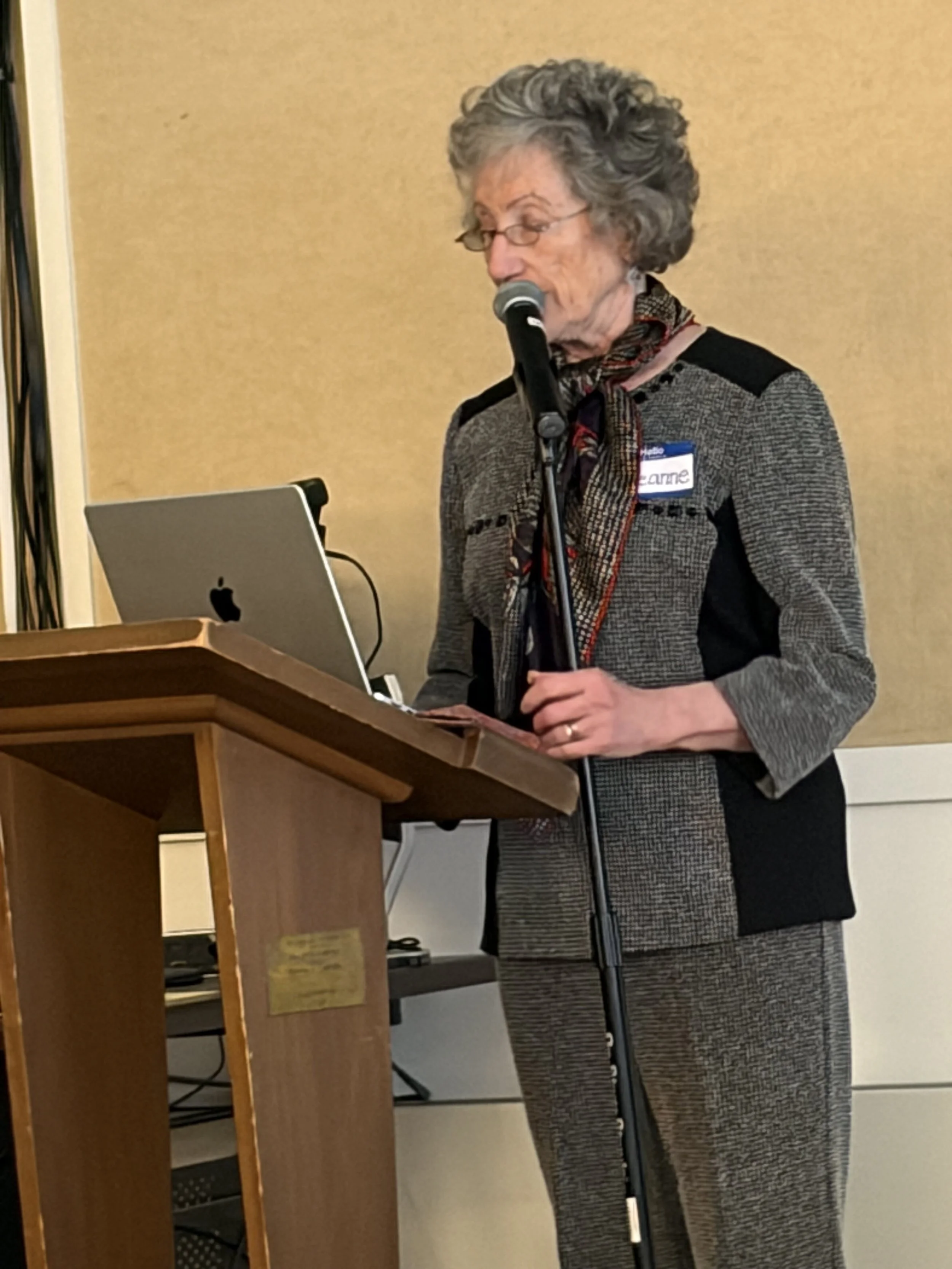
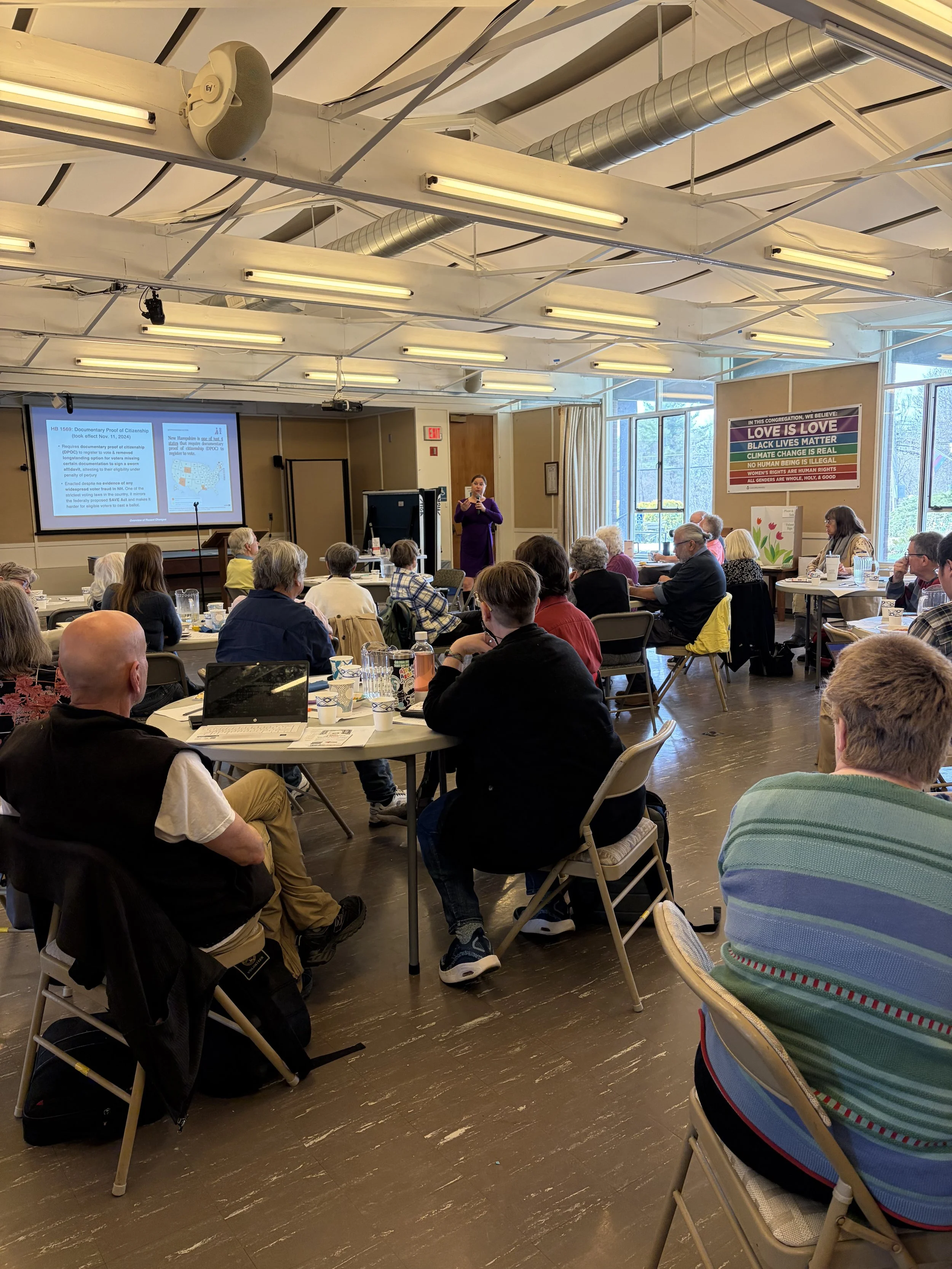
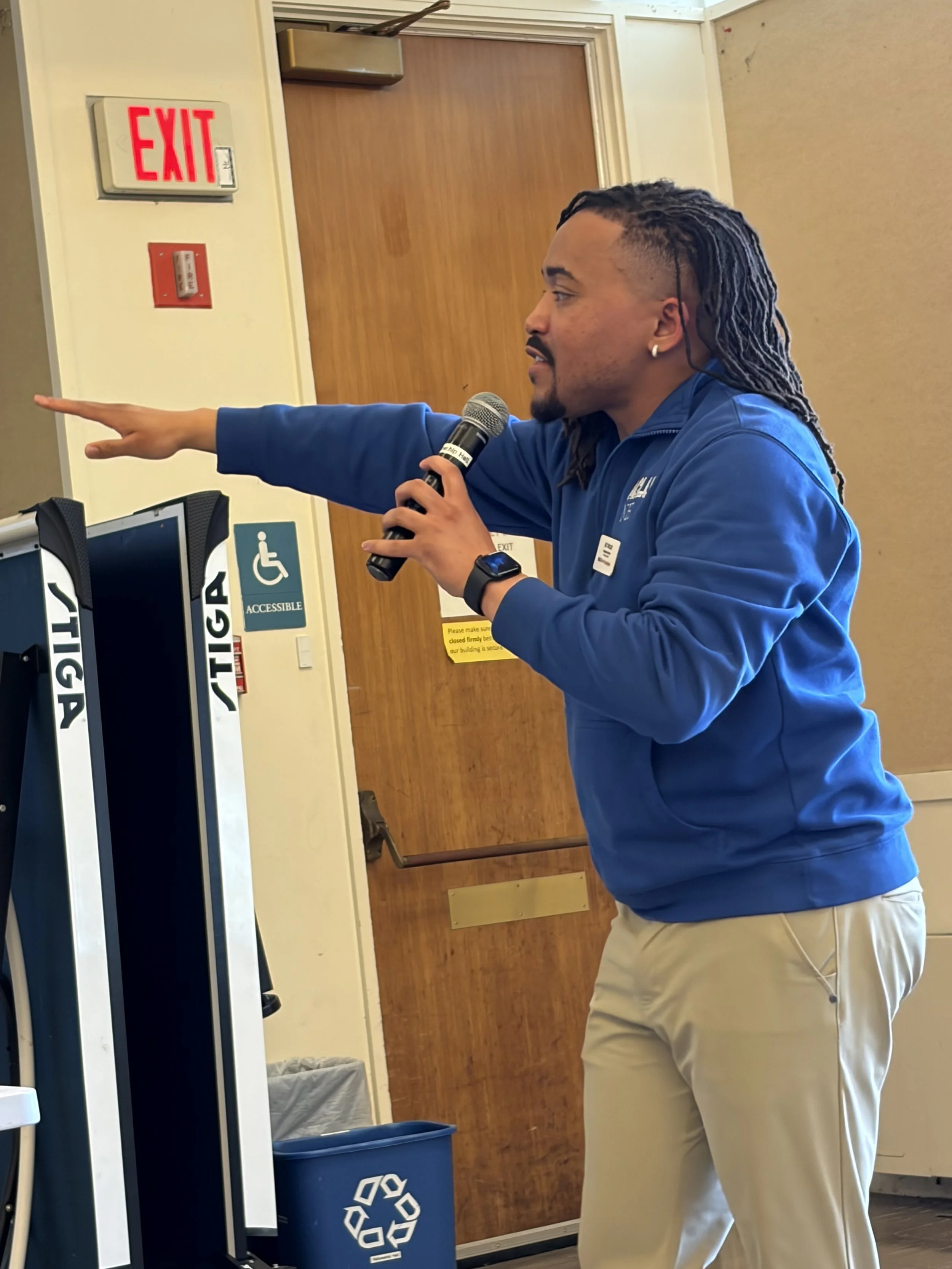
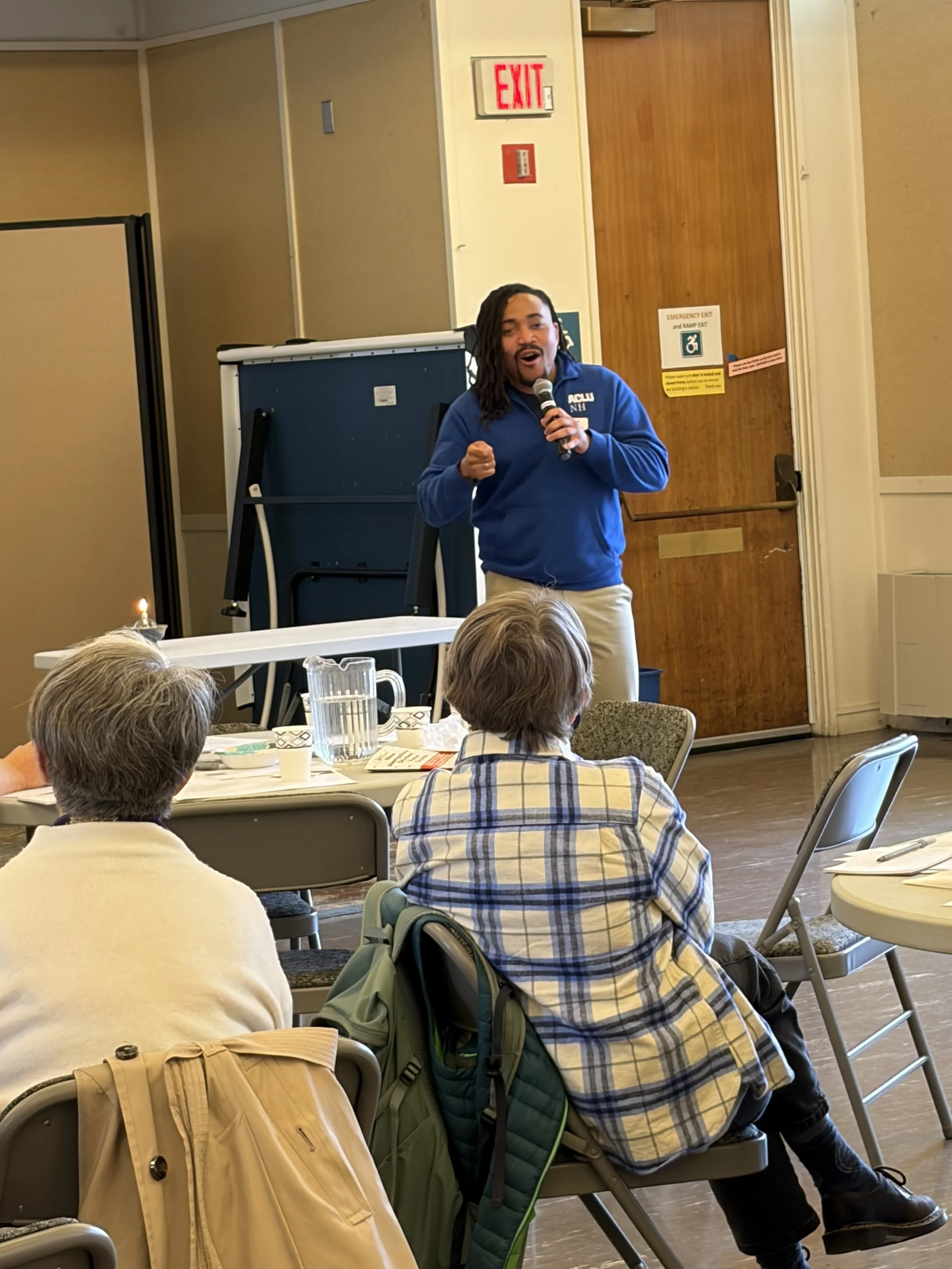
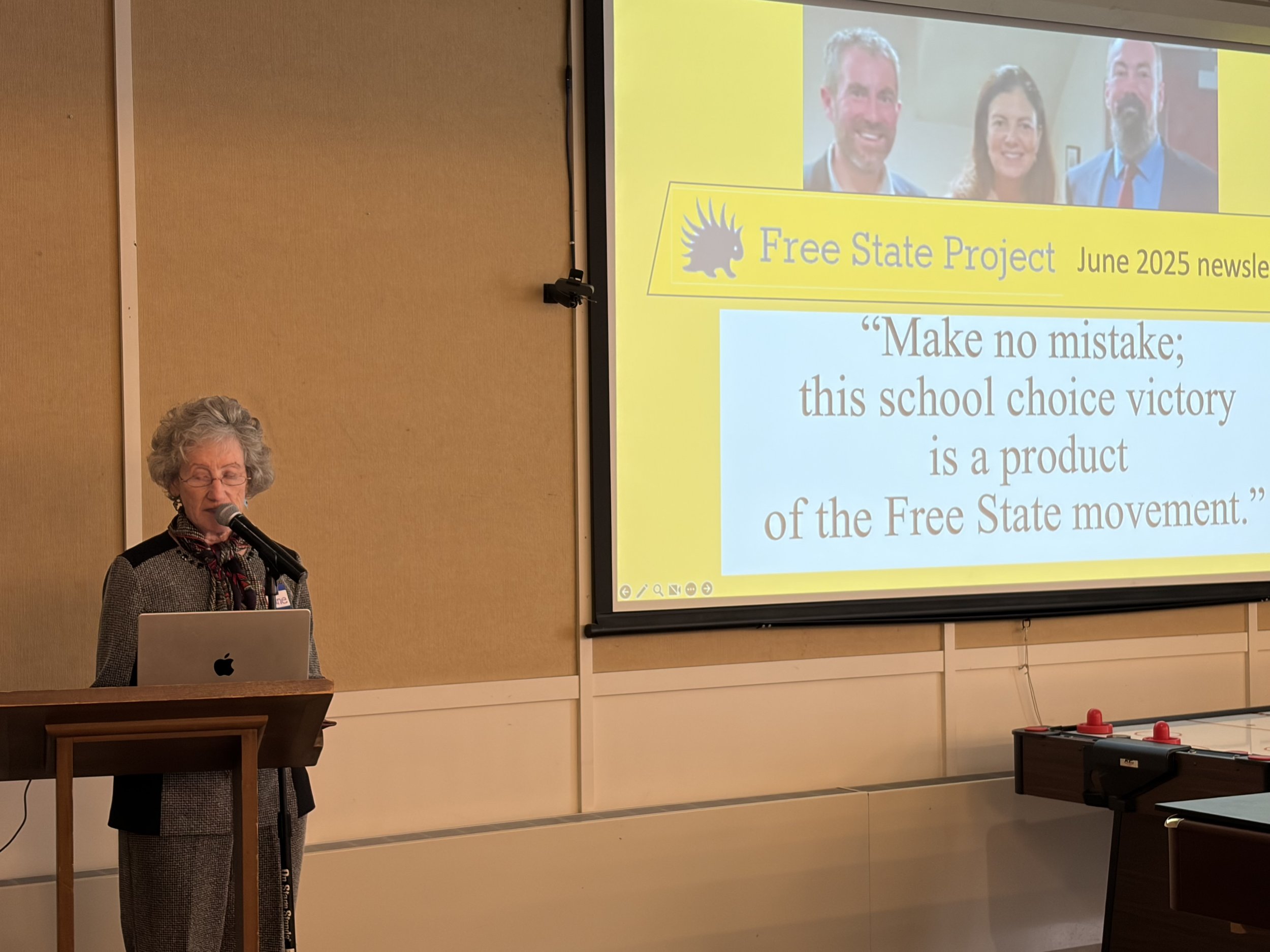
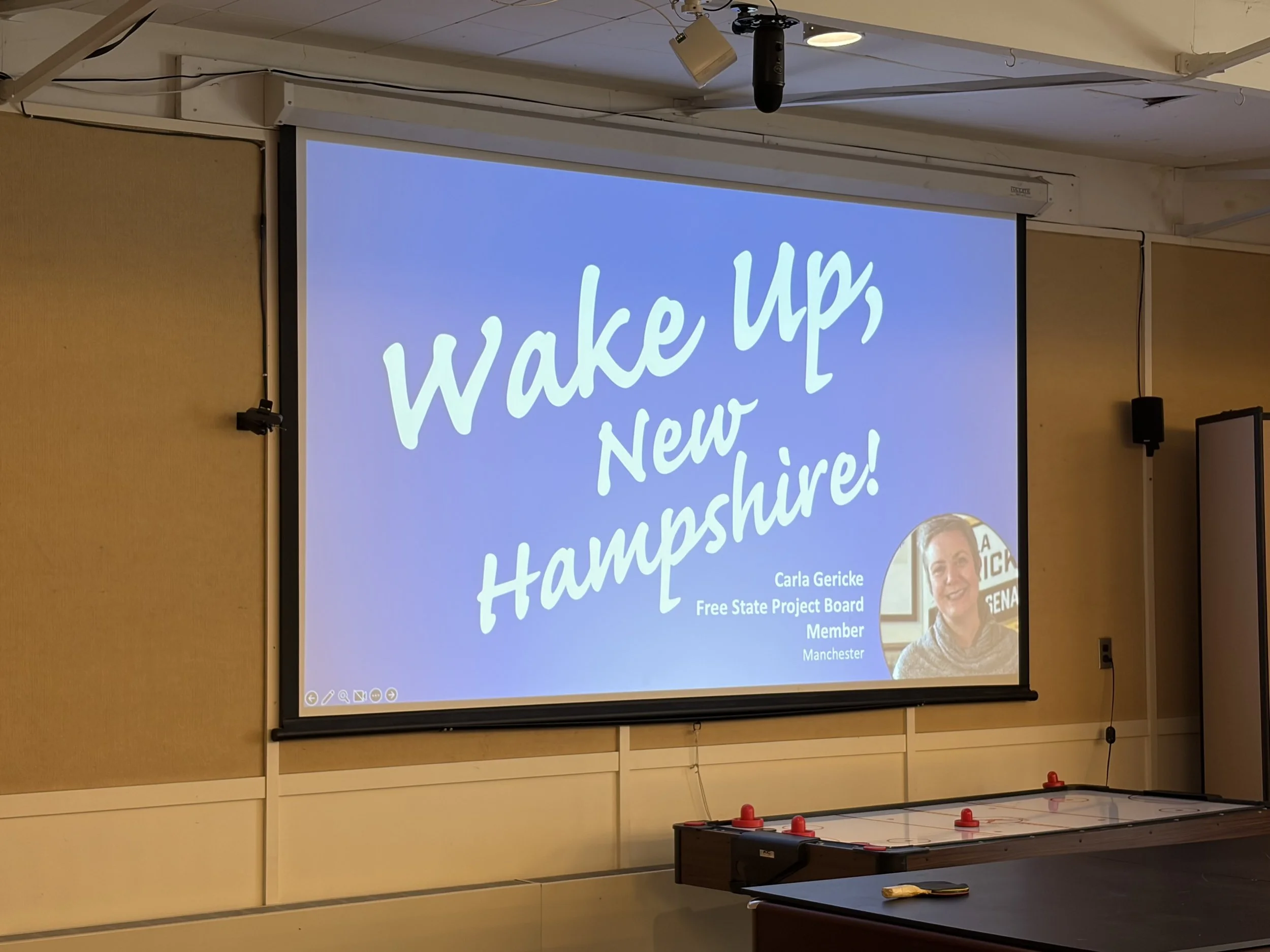
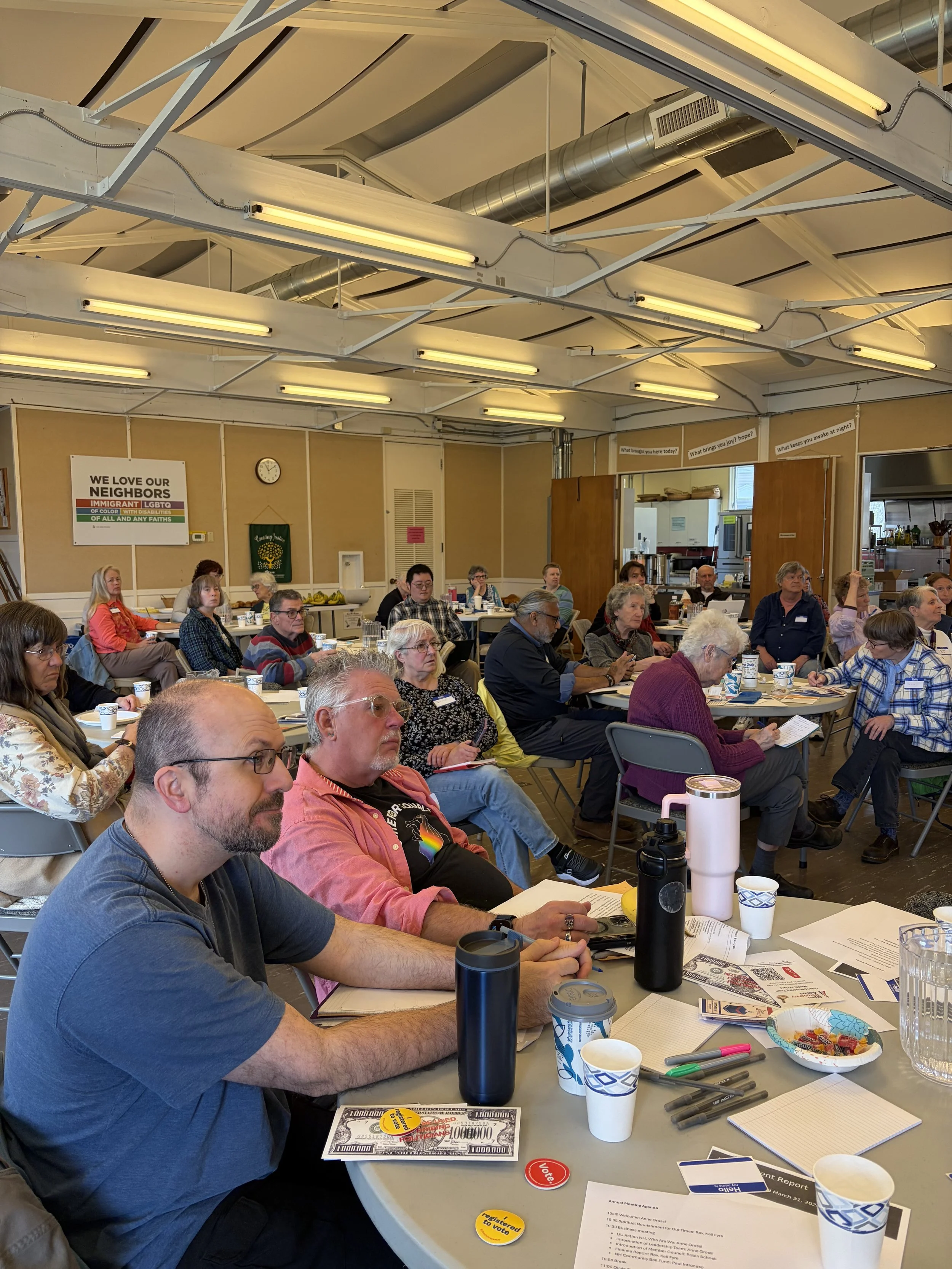
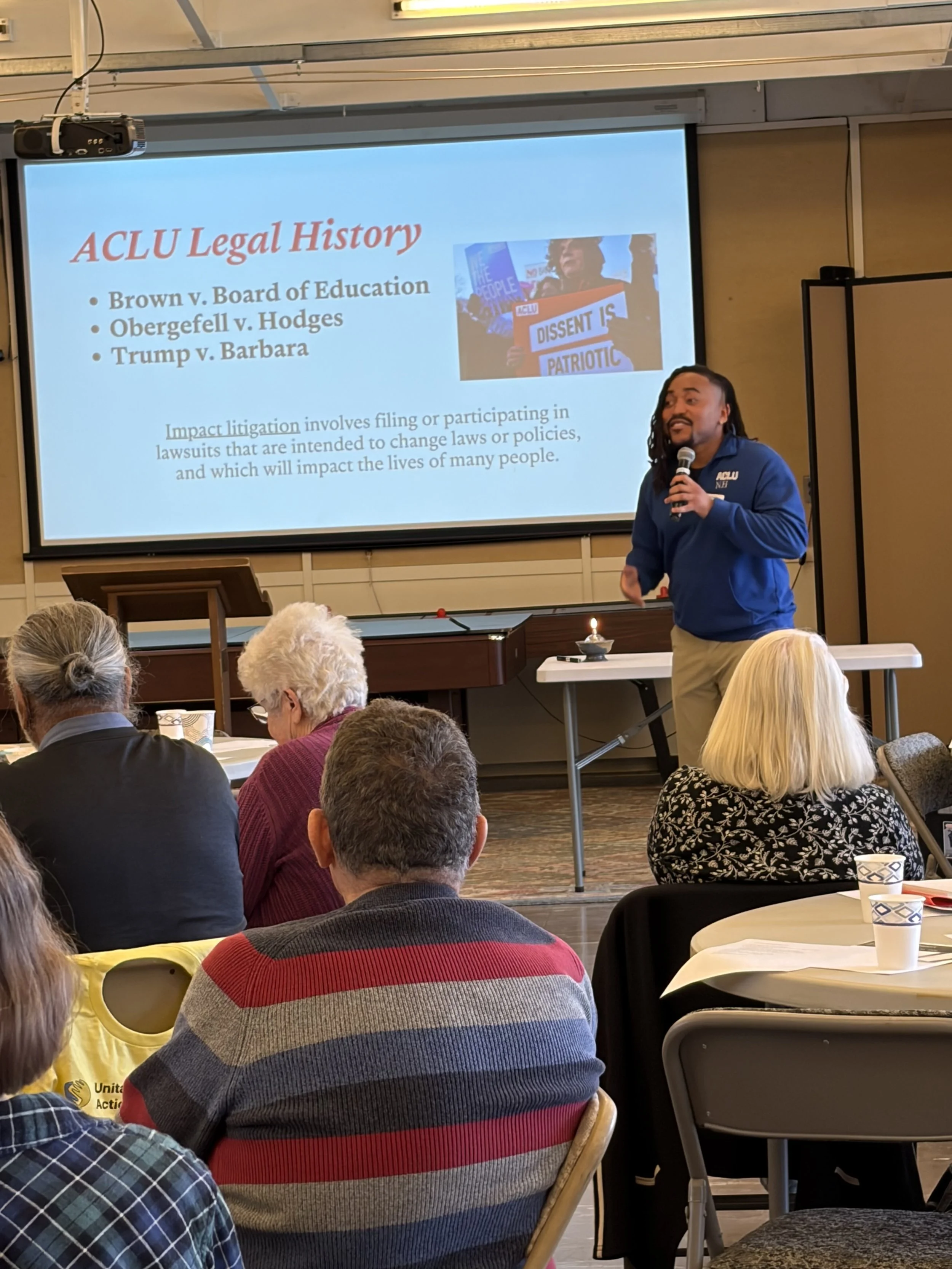
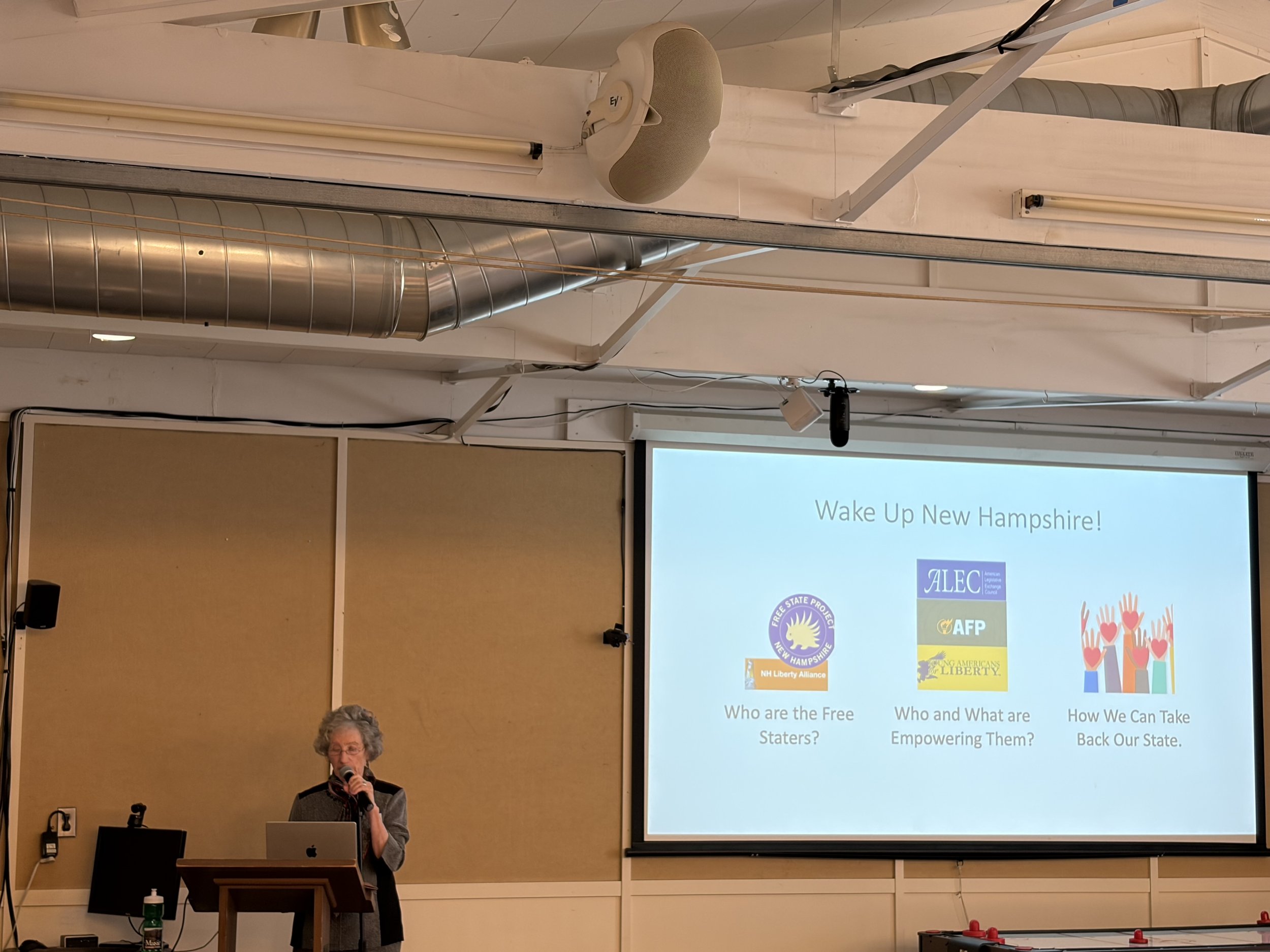
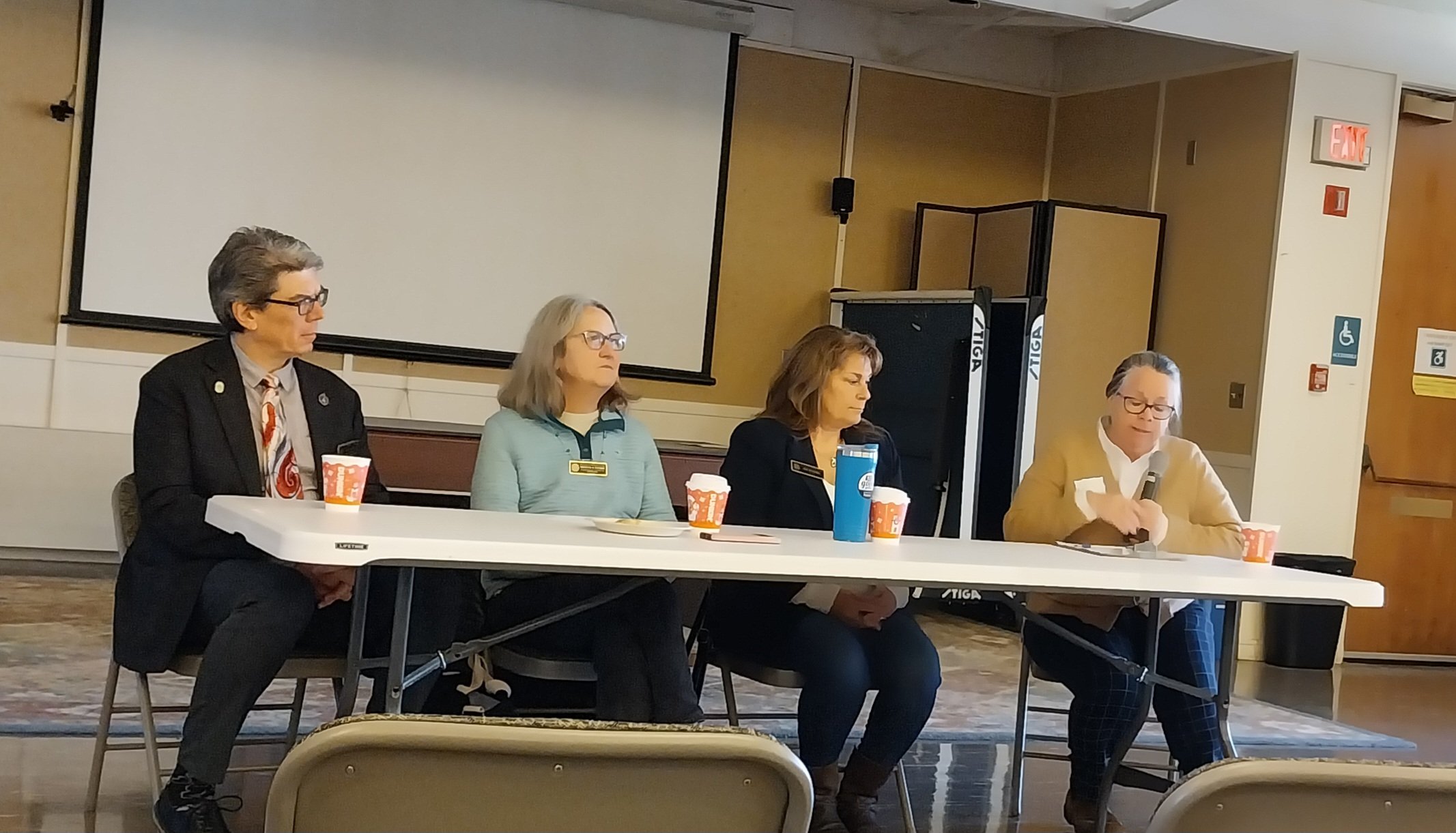
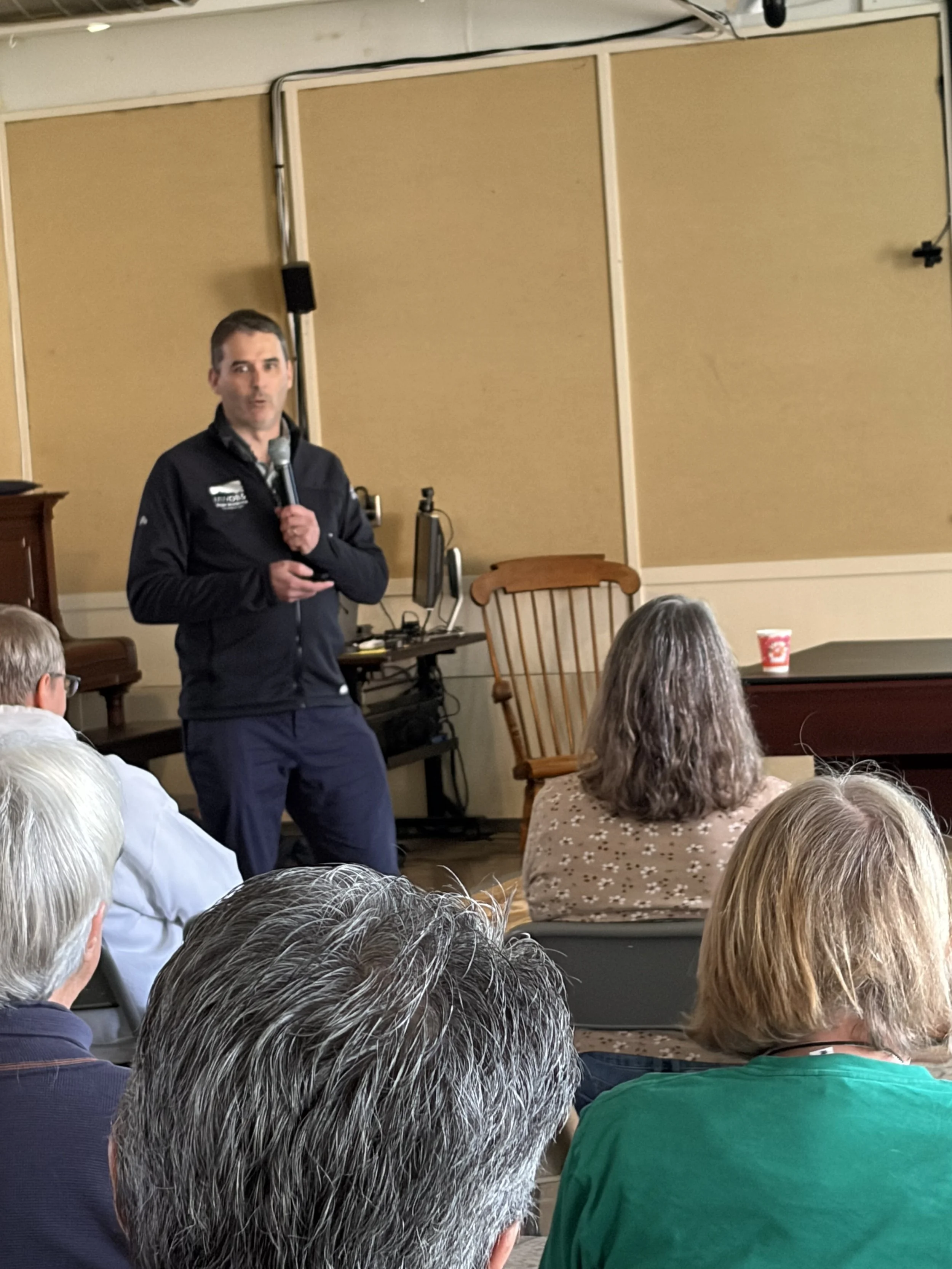
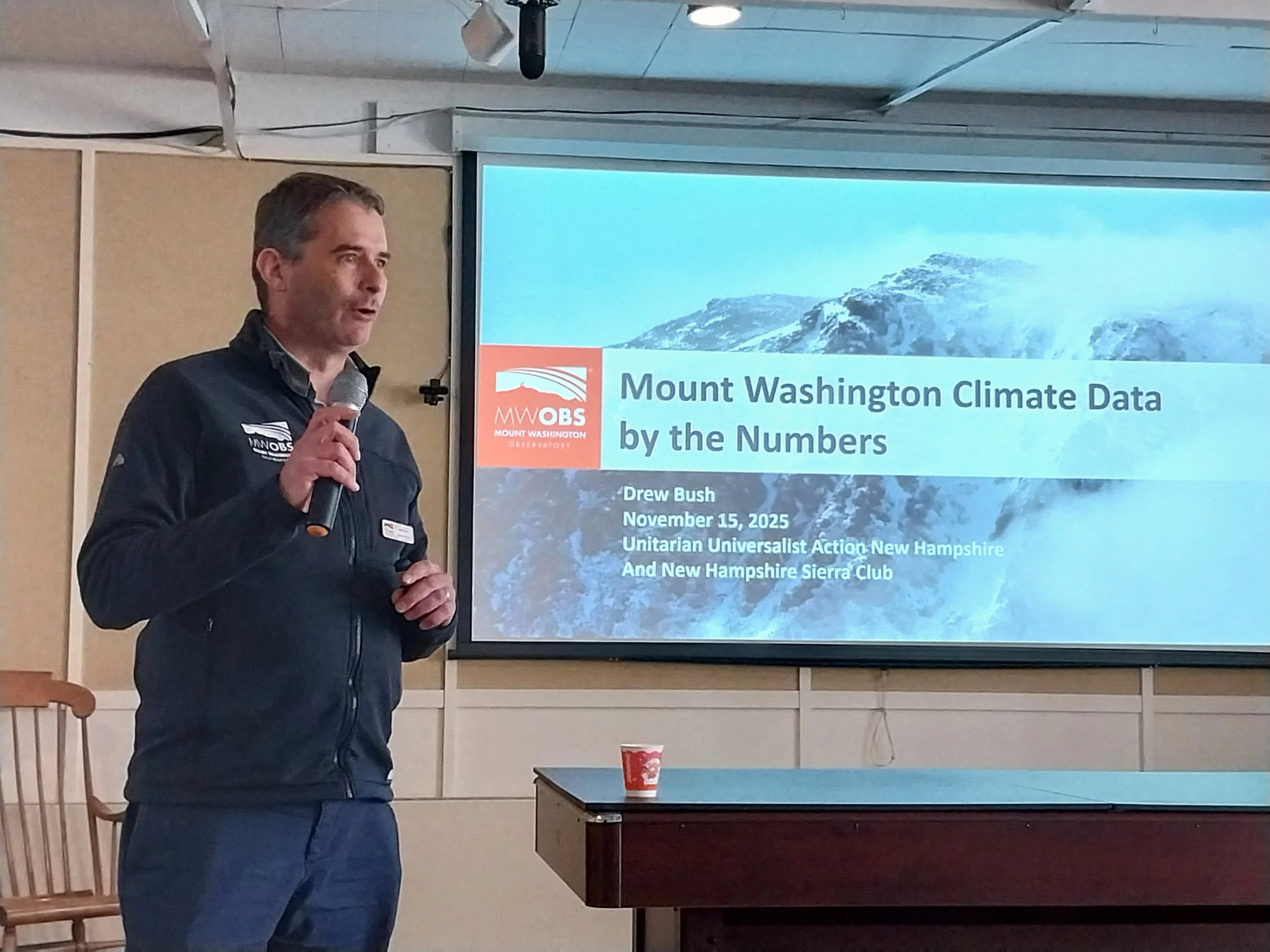
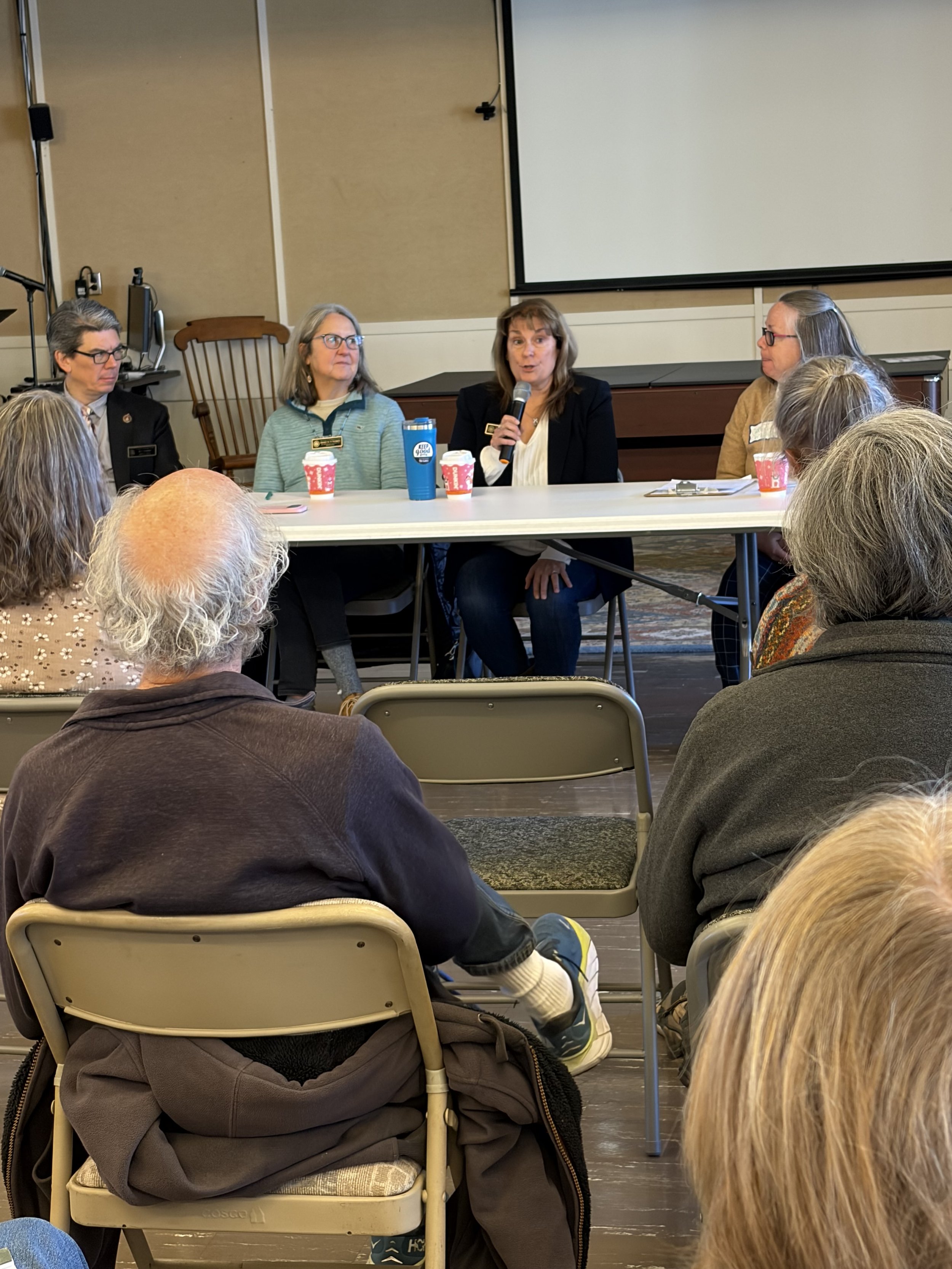
Climate NH on November 15, 2025 was a success! Enjoy the pictures!